Packaging Insights
Brand loyalty isn’t guaranteed. Your unboxing experience can help re-earn it.
Brand loyalty used to be treated as something a company could win and then keep. Deliver a good product, maintain awareness, and customers would return out of habit.
That assumption is becoming less reliable.
Today’s shoppers are more deliberate, comparative, and willing to reconsider familiar choices. In what has been called the “hesitation economy,” loyalty must be earned repeatedly – not simply assumed after the first purchase.
EY’s Future Consumer Index found that 59% of US consumers are open to trying new brands, while 65% would switch for a better price. But price is only part of the equation.
Value is more than a discount.
When customers reconsider a brand, they are evaluating its total value: product quality, service, convenience, trust, and the experience surrounding the purchase.
Deloitte estimates that, depending on the industry, up to 40% of a brand’s perceived value can come from factors other than price. That gives brands an opportunity to compete without relying exclusively on discounts and promotions.
One frequently overlooked place to demonstrate that value is inside the shipping box.
The customer journey continues after checkout.
For an eCommerce brand, checkout is not the end of the customer experience. The order still needs to be processed, delivered, opened, and evaluated.
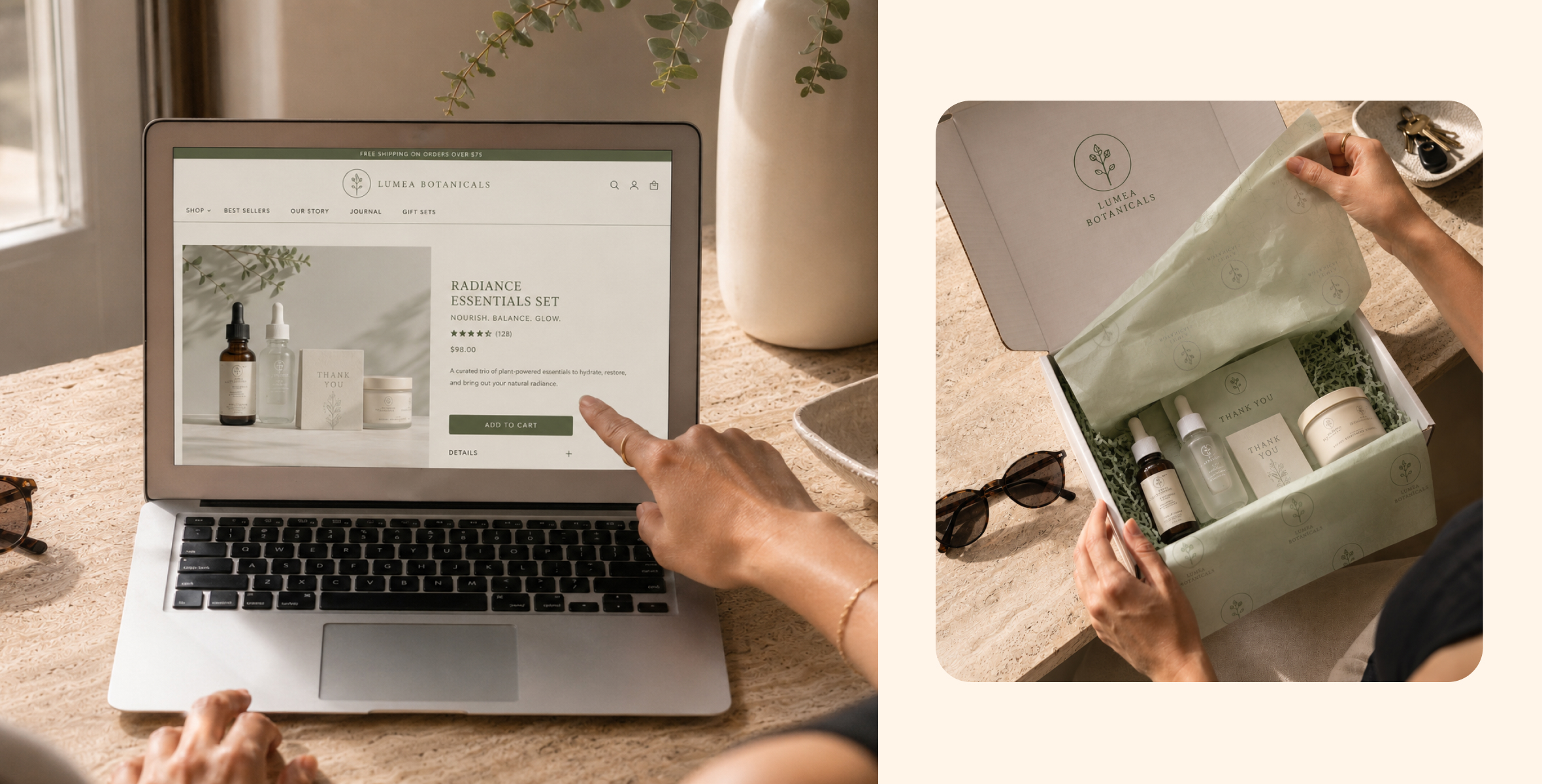
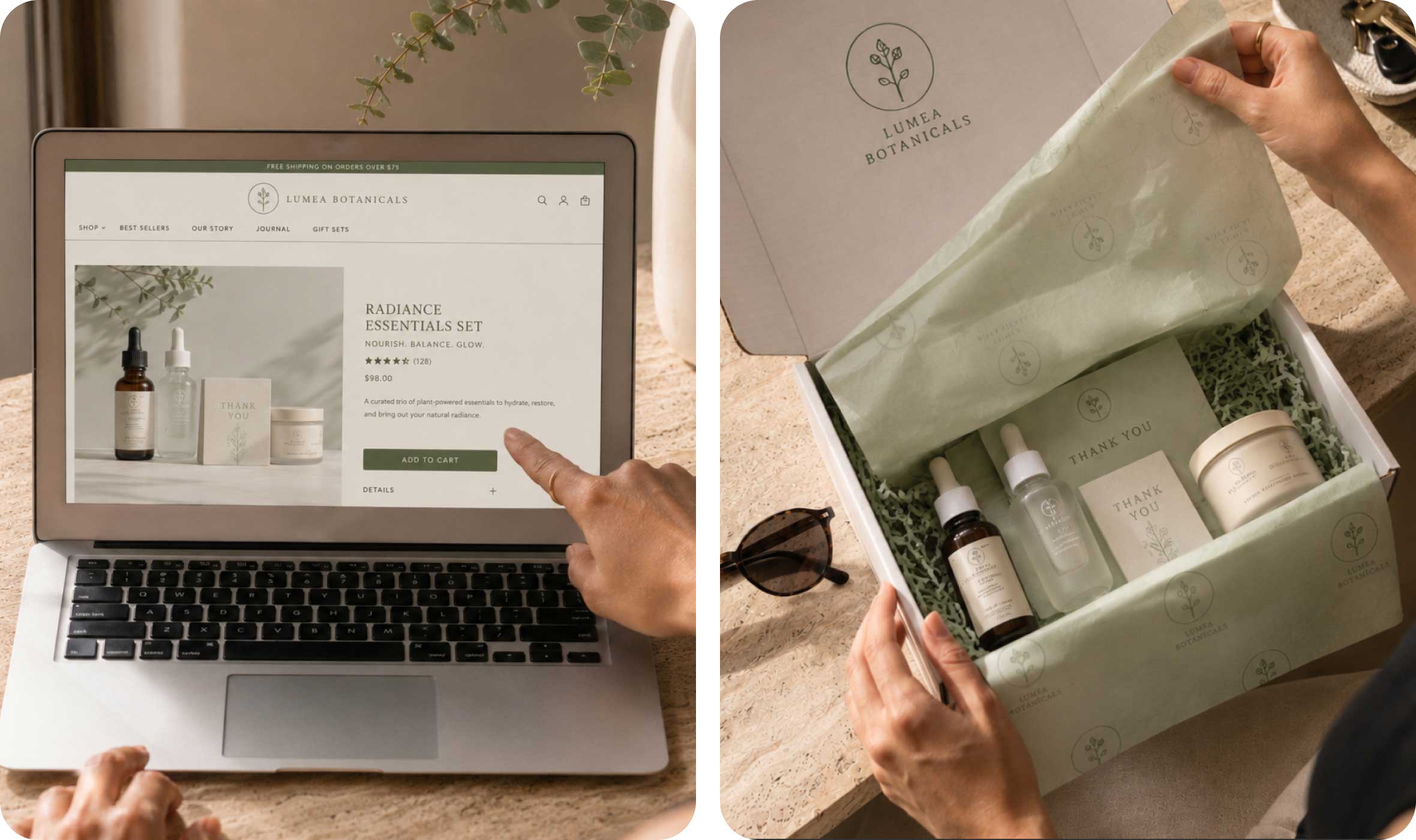
The unboxing experience is one of the few moments when a digital brand becomes tangible. Plain kraft paper may protect the product, but it does little to reinforce the personality, care, and recognition the brand worked to establish before the sale.
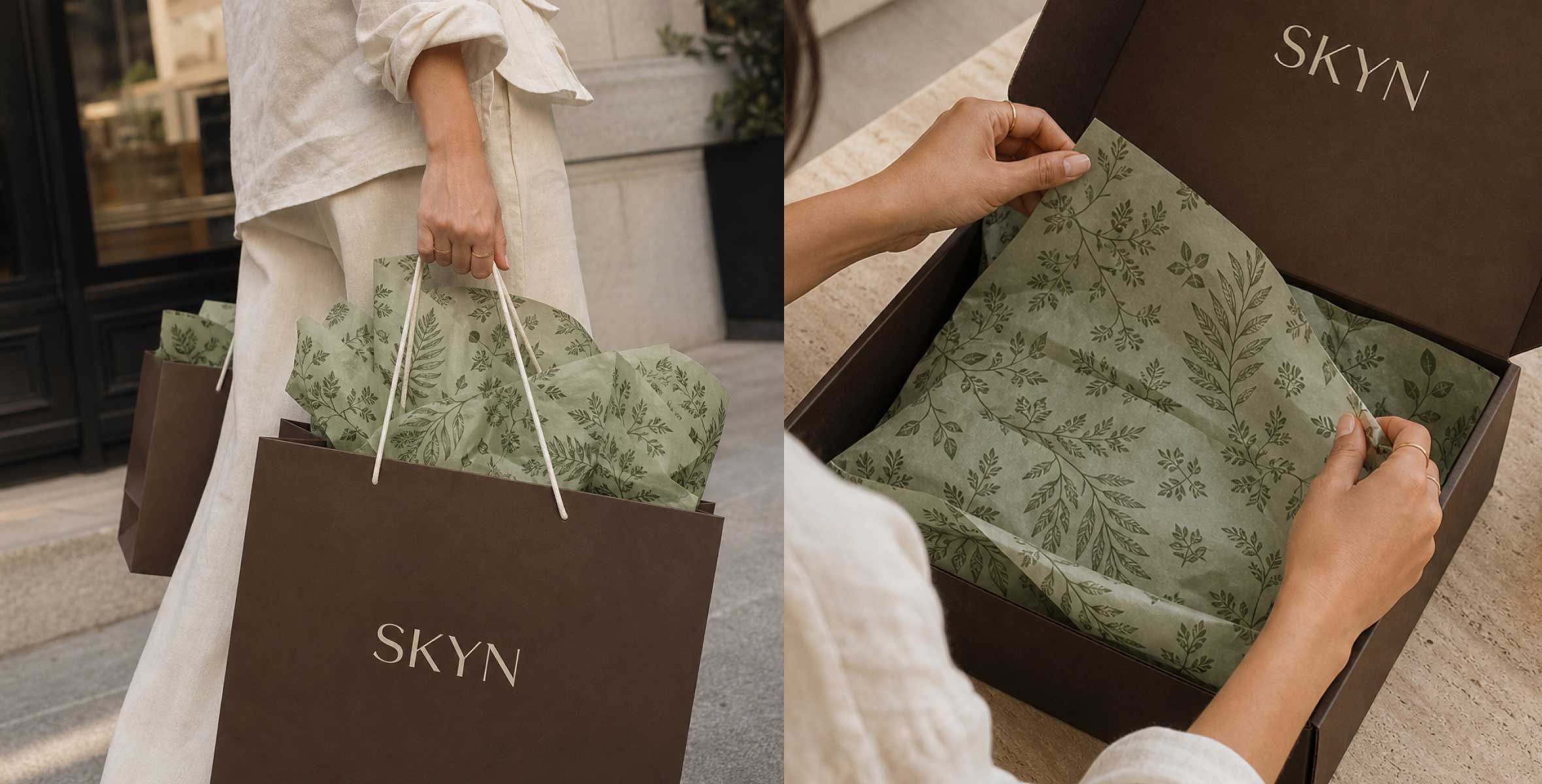
Branded void fill gives that necessary material another job.
What branded internal packaging can signal.
To better understand this moment, Seaman Paper collaborated with Michigan State University on a national consumer study examining reactions to six internal packaging formats.
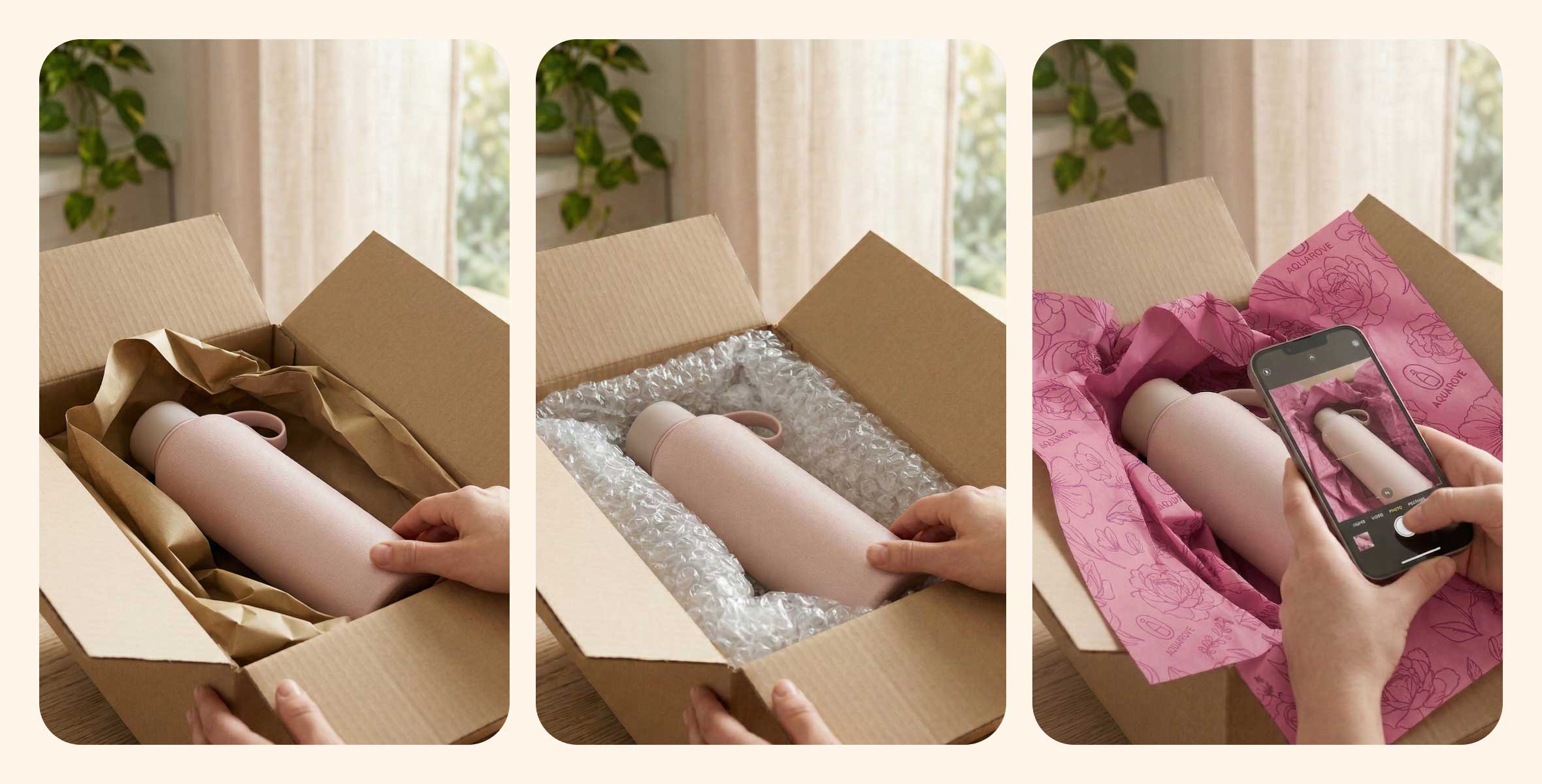
Branded packing paper scored 75% for visual appeal, compared with 11% for kraft paper and 13% for bubble wrap. The research also found that 45% of consumers said branded internal packaging signals a detail-oriented brand that cares.
The study connected premium unboxing with other valuable indicators: consumers reported greater recommendation and social-sharing intent, and approximately 40% said a premium unboxing experience could justify paying more for the same product.
These findings do not mean a sheet of branded paper automatically creates a loyal customer. They suggest something more practical: packaging can reinforce the qualities that help a brand remain recognizable and worth choosing.
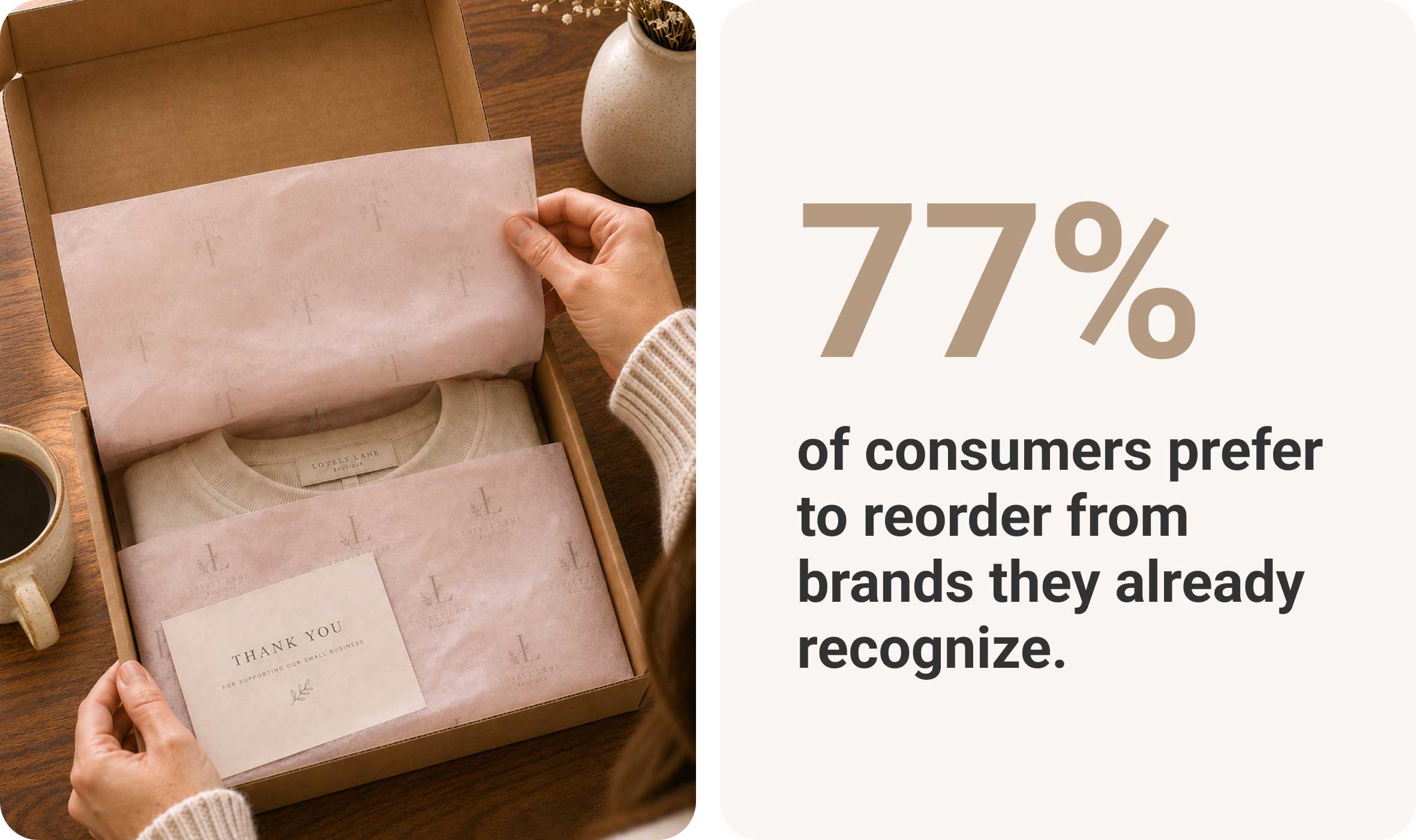
That matters when 77% of consumers say they prefer familiar brands when reordering.
Start with a measurable unboxing test.
Improving the unboxing experience does not have to begin with a company-wide packaging overhaul.
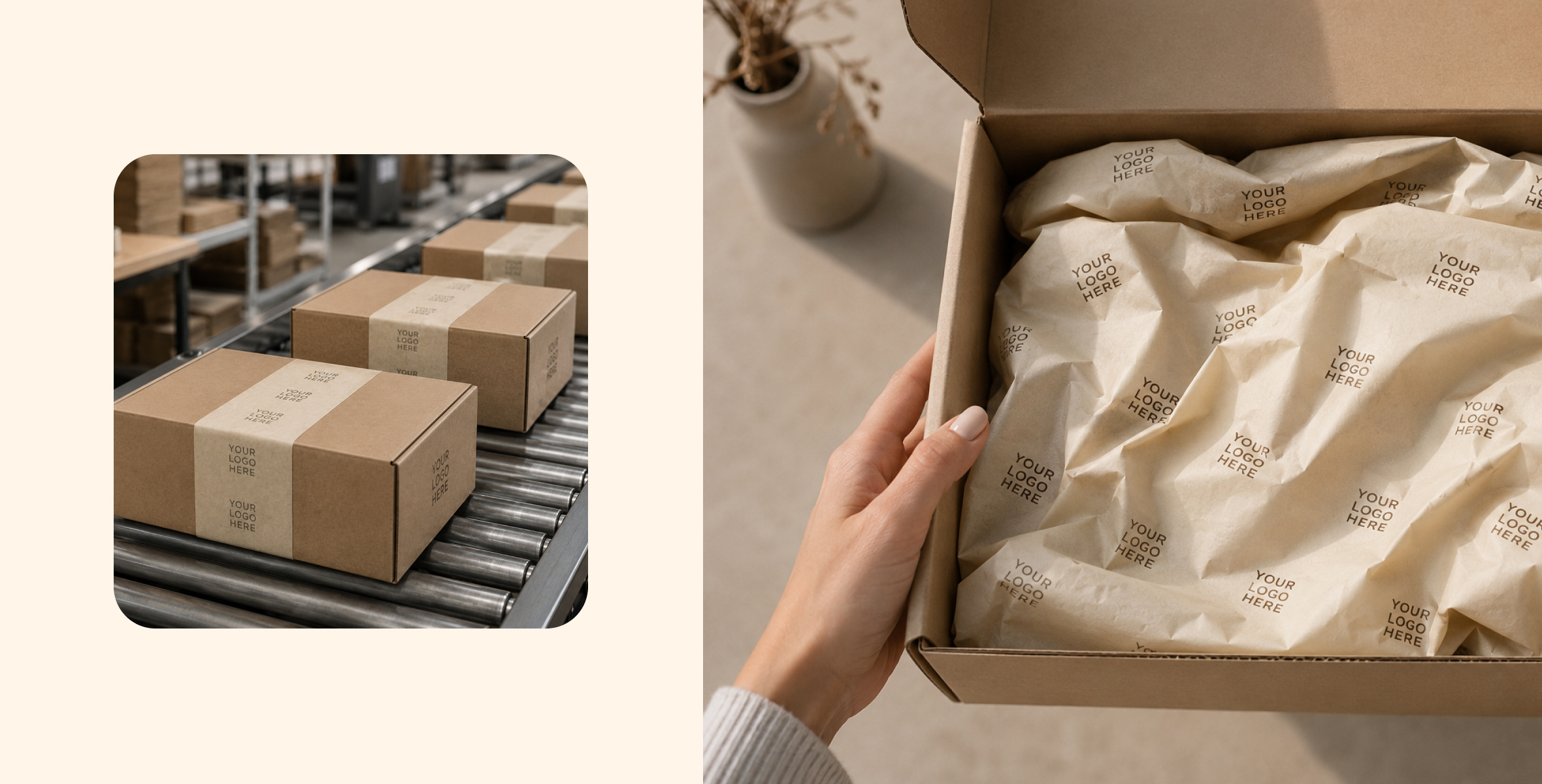
SatinPack custom-printed flat sheets start at 10,000 sheets, giving medium-to-large brands a practical quantity for a controlled pilot. A brand could introduce branded void fill around:
- A new product launch
- A limited or seasonal collection
- A selected group of high-value customers
- One product category or fulfillment location
- A specific geographic market
A defined pilot also creates an opportunity to measure results. Compare branded and standard packaging using post-delivery satisfaction, brand recall, recommendation intent, social sharing, and repeat purchase behavior.
This follows the “test and learn” approach used to evaluate products, positioning, pricing, and packaging under real market conditions.
Brand loyalty may no longer be guaranteed. But every delivered order gives a brand another opportunity to validate the customer’s choice.
With SatinPack, the material already inside the box can help make that opportunity more memorable.
Ready to test a better unboxing experience? Start planning your SatinPack pilot today.